



Serving in Your Local Area
Protect Your Hair Before It’s Too Late
Don’t wait for thinning to become a bigger problem. We offer top-rated hair loss consultations, treatments, and full restoration options with $0 down financing available.
Licensed & Insured
4.9/5 Google Rated
BBB Accredited
Trusted by 500+ Individuals Struggling with Hair Loss




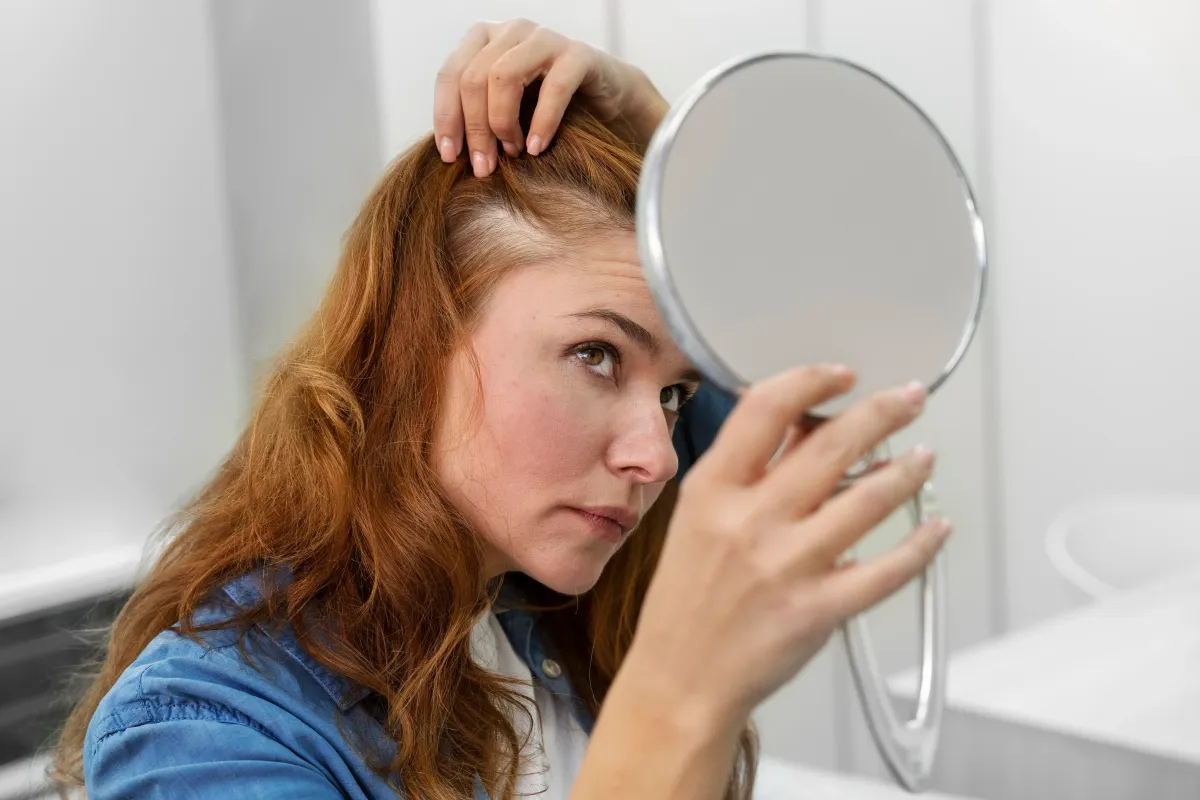
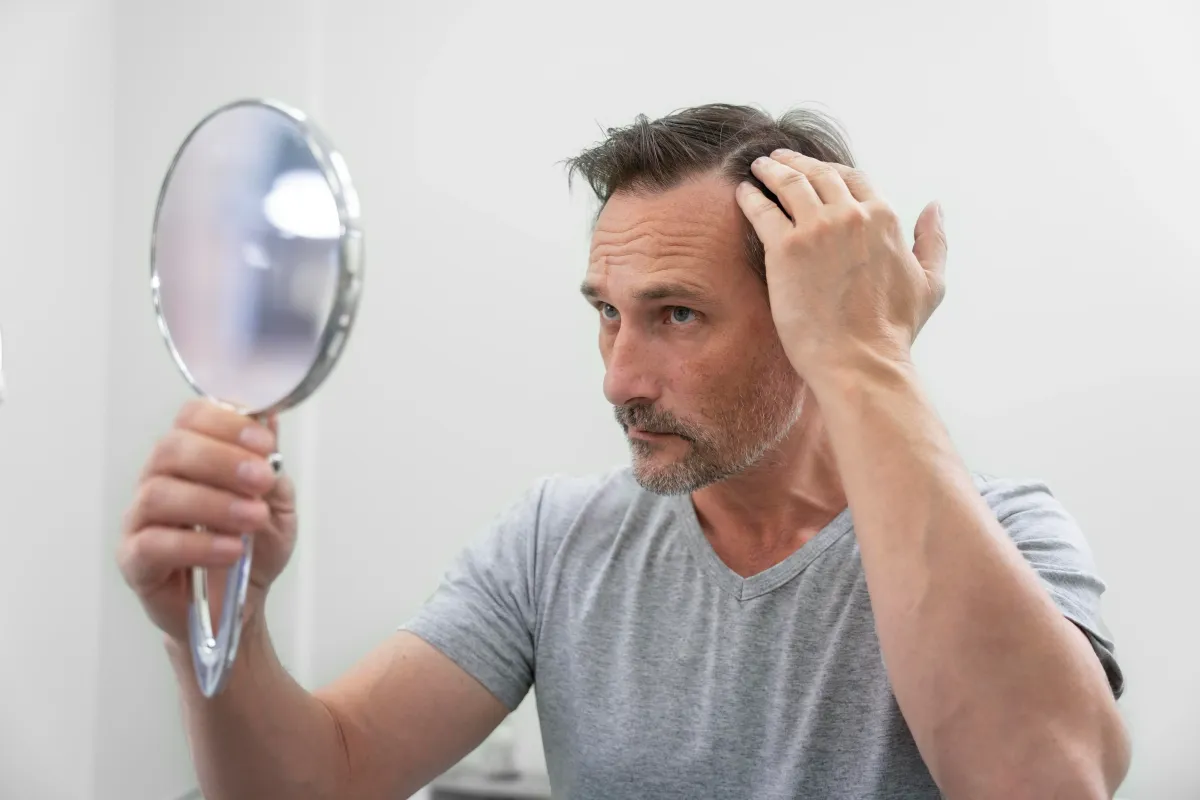

Signs Your Hair is Putting Your Confidence at Risk
Most people don’t notice hair thinning until it’s already advanced, and by then, it can be harder to reverse. Hair loss often starts slowly, with subtle changes that can easily be overlooked. Recognizing these early signs—like thinning at the temples, widening part, or increased shedding—can help you take action before it’s too late.
Receding Hairline
A receding hairline is often one of the first signs of hair loss. Early detection can help slow down the process and prevent further recession.

Bald Spots
Patchy bald spots can be a result of stress or other underlying factors. Treating them early is key to regrowing healthy hair.

Excessive Shedding
If you’re shedding more than 100 hairs a day, it may be time to seek professional help. Identifying the root cause can prevent permanent thinning.

The Reality Check
Ignoring early signs of hair loss can turn a simple treatment into an expensive restoration process. Don't wait until it's too late!
Common Questions
Frequently Asked Questions
How quickly can I see results from hair restoration treatments?
Results vary, but many people notice improvements within 3 to 6 months of consistent treatment. Patience is key to seeing long-term benefits.
Are the treatments painful?
Most hair restoration treatments are minimally invasive and cause little to no discomfort. Any mild discomfort is usually temporary and can be managed with local numbing agents.
Can I continue my normal routine after treatment?
Yes, most hair restoration treatments require little to no downtime, allowing you to return to your regular activities immediately after the procedure.
Is there a permanent solution for hair loss?
While no solution is truly permanent, hair restoration treatments can offer long-lasting results with proper care and maintenance to slow down further hair loss.
Serving in Your Local Area
Loved by Individuals Struggling with
Hair Loss in Your Area
We treat every client’s hair with the utmost care. Here’s what our clients have to say
about their experience with our hair restoration treatments.
"I’ve been struggling with hair thinning for years, but after just a few months of treatment, I noticed a huge difference. My hair feels thicker, and I’m finally confident again!"

"I was hesitant at first, but after seeing the results, I’m so glad I took the leap. My hairline has improved, and I feel like a new person. The team really took care of me!"

"I thought I had to accept my thinning hair, but this treatment changed everything. The process was easy, and I started seeing results in no time. Highly recommend!"

The "No-Hair Loss"
For Lifetime
Most hair restoration clinics offer temporary results, but we focus on lasting improvement. If your hair doesn’t improve, we’ll work with you to make it right at no extra cost. Book your free consultation today.
© Copyright 2026 PBFitness | All rights reserved.